Phoenix Ranks No. 6 in the U.S. for Apartment Construction — What It Means for the East Valley Housing Market
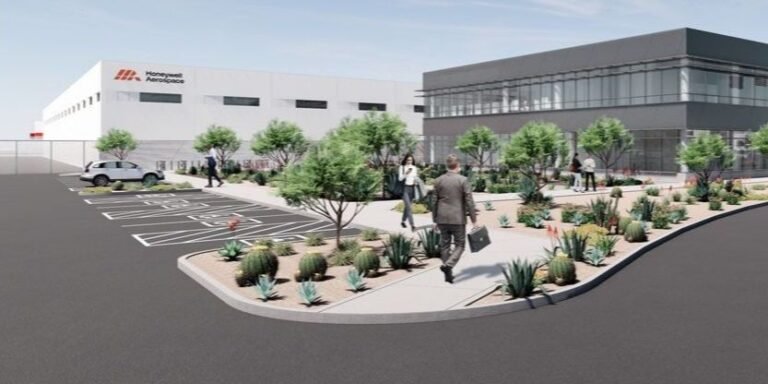
Phoenix has been building at a remarkable pace, and the East Valley is right in the middle of it. From Gilbert and Chandler to Mesa and Tempe, new communities, apartment projects, and commercial development keep reshaping what it means to live in this part of the Valley.
According to Yardi’s Apartment Development Outlook, the City of Phoenix alone has nearly 15,000 apartment homes under construction — the sixth-largest pipeline among major U.S. cities. Those homes are expected to deliver between now and 2030, adding about 8.5% to the city’s existing apartment stock.
The East Valley is a separate wave of supply on top of that, and it is just as busy. Mesa has about 3,800 apartment homes under construction — more than Glendale, Peoria, and Scottsdale combined. Tempe has about 3,500, ranking ninth among smaller U.S. cities and adding 8.7% to its existing stock. Gilbert has about 3,200.
Gilbert is the number that stands out. Its new construction equals nearly 20% of the town’s existing apartment stock — roughly one new apartment home for every five that exist today.
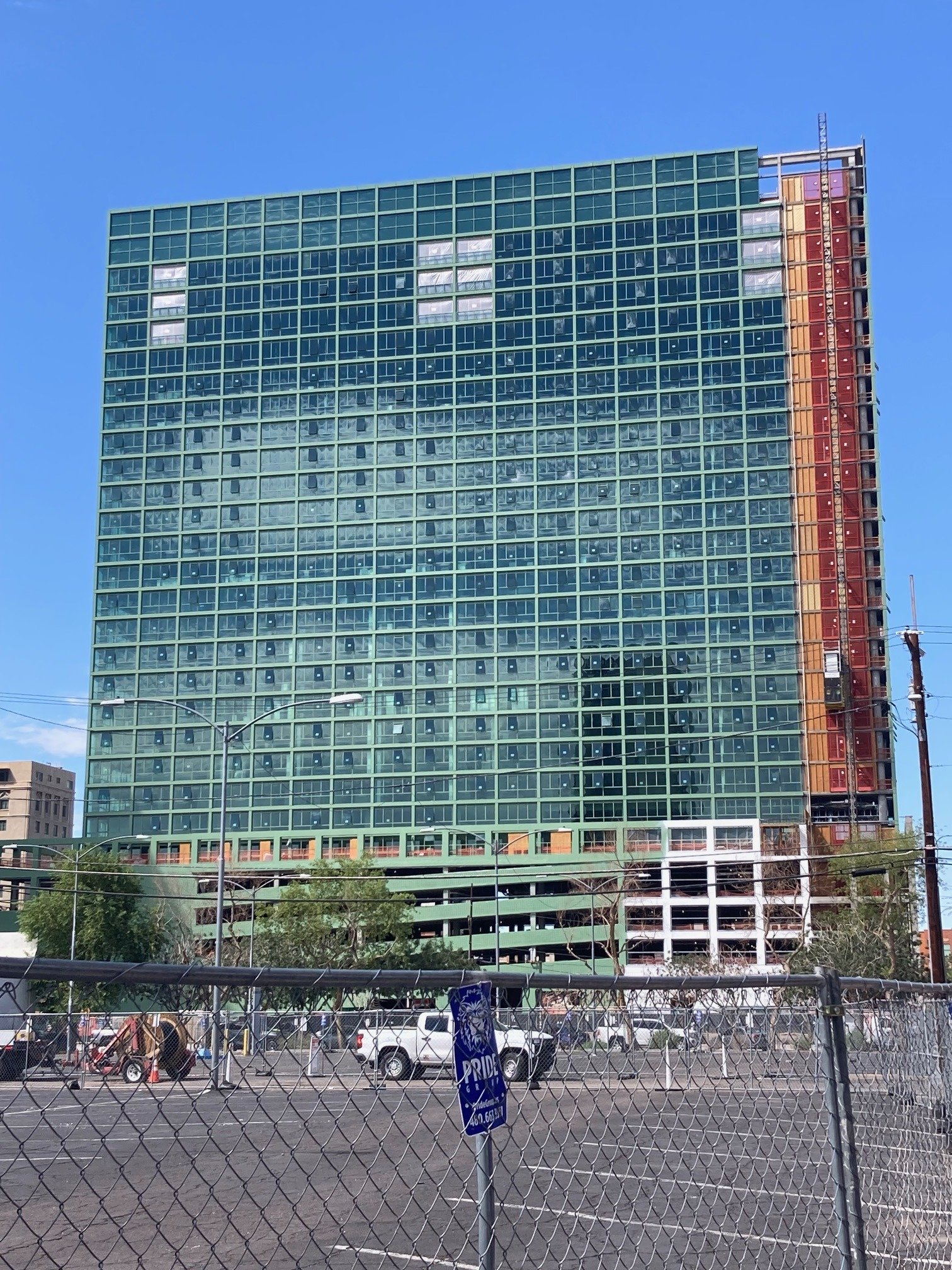
Numbers like these raise a fair question: with this many apartments going up, will anyone be left to rent them? And could all this new supply eventually pull down single-family home prices, too?
Here is how I read the East Valley market.
More Apartments Mean the East Valley’s Housing Choices Are Changing
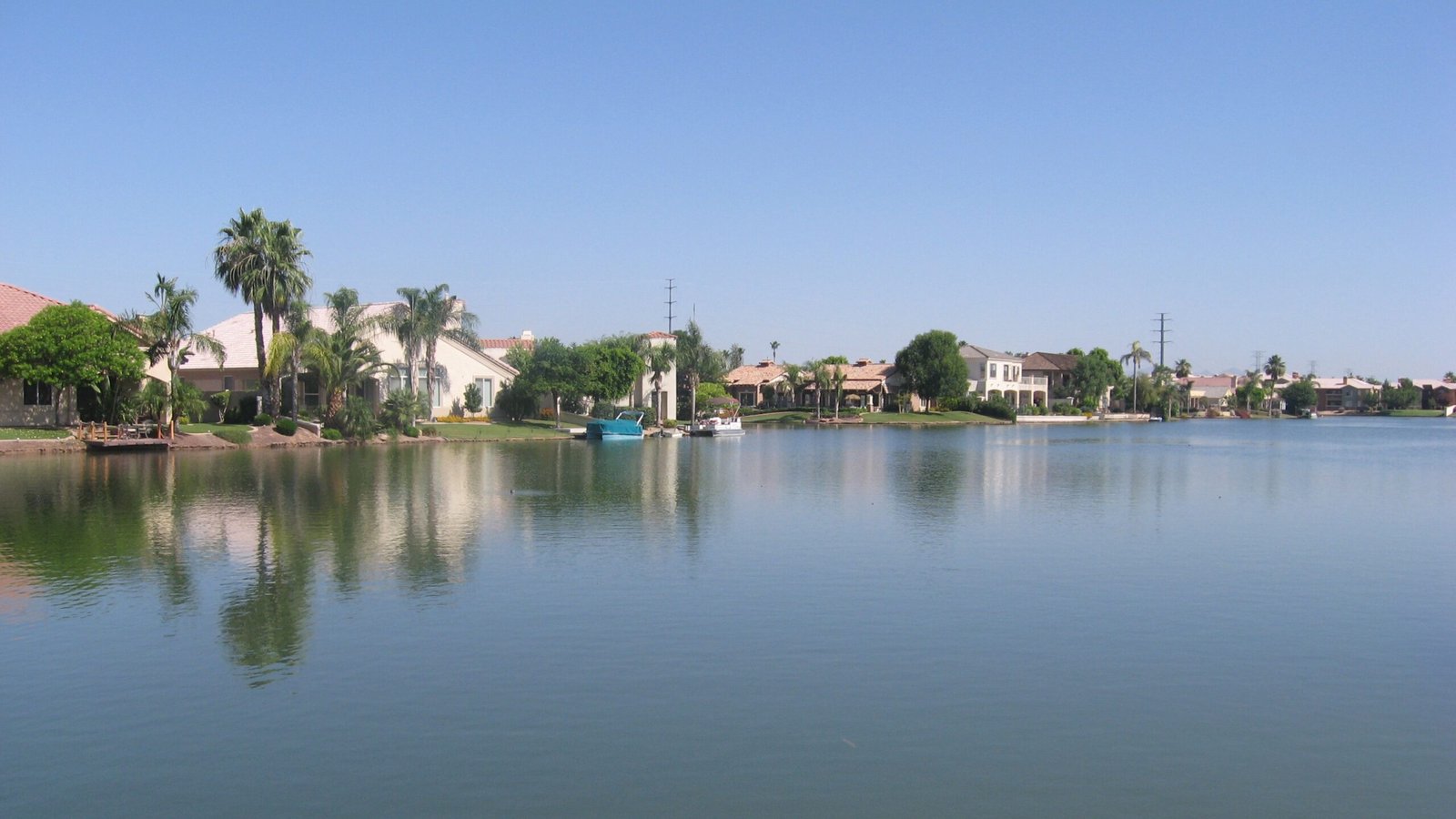
For years, “Gilbert” meant one thing to most people: single-family homes, room to spread out, and family-oriented neighborhoods. That picture is still real — but it is no longer the whole picture. As the town has matured, townhomes, apartments, and a wider mix of housing have joined the traditional subdivisions. Mesa and Tempe are going through the same shift.
For people relocating to Arizona for work, for young families, and for anyone not yet ready to buy, renting is an essential part of the housing ladder. New apartment communities let residents choose based on budget, commute, and lifestyle instead of settling for whatever happens to be available.
And Gilbert is building this much for one simple reason: people. According to Matthews’ Q3 2026 Phoenix multifamily report, the Chandler/Gilbert submarket has an apartment vacancy rate of about 4.5% — the lowest of any submarket in the report. In plain terms, only about four or five out of every 100 apartments there are sitting empty. Demand in Chandler and Gilbert is genuinely strong.
Will More Apartments Hurt Single-Family Home Values?
Apartments and single-family homes both provide a place to live, but they serve different needs — and that distinction matters more than the headline numbers.
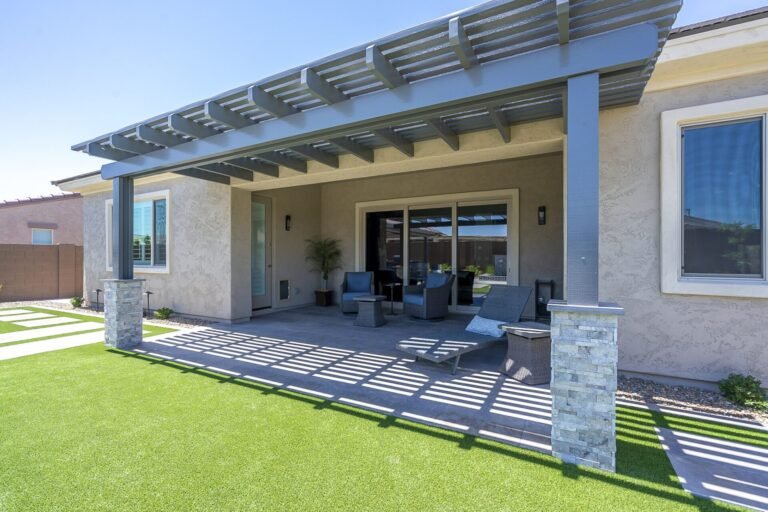
For a single professional, a young couple, or someone who just moved to Arizona, an apartment is often the practical choice: no yard work, no roof repairs, and amenities like a pool and fitness center built in.
Families tend to outgrow that quickly. Once you need three or four bedrooms, a backyard, a garage, and room for daily life to spread out, a single-family home offers something an apartment simply can’t. In Gilbert, Chandler, and Mesa, buyers can choose from a wide range of sizes, floor plans, and price points to match that stage of life.
That is why, when I evaluate this market, I pay more attention to what is actually selling in a specific neighborhood and property type than to any citywide average.
In 2026, Buyers Have Something They Didn’t Have Before: Choices
Apartment construction is only half the story. The for-sale market has shifted, too.
According to Phoenix REALTORS’ October 2026 housing report, the median single-family sale price across the Phoenix area was about $475,000 in October, down roughly 1% from a year earlier. Look at the first ten months of the year as a whole, though, and the median sits at about $480,000 — essentially flat versus last year. Meanwhile, the number of homes for sale rose 10.6% year over year, to about 4.6 months of supply.
Translation: there are more homes to choose from than a year ago, and buyers can take more time to learn neighborhoods and compare condition instead of rushing.
A few years ago, many buyers had to offer within days — sometimes hours — with little room to negotiate. That has changed for a meaningful share of listings. Homes that have been sitting longer, or that compete with several similar listings nearby, may offer room to negotiate a closing cost credit, a rate buydown, or other terms.
But it still depends on the home. A well-located, well-kept, realistically priced home can still attract multiple buyers. Not every listing comes with a big discount.
For families planning to put down roots in the East Valley, I see this as a healthier market: you can compare homes on their actual merits instead of buying out of fear that prices will run away from you. And because a home purchase is a long-term commitment, the list price is only part of the decision — factor in the monthly mortgage payment, property taxes, homeowner’s insurance, HOA dues, and future maintenance.
Gilbert, Chandler, Mesa, Tempe: Four Cities, Four Different Markets
On a map, the East Valley looks like one continuous suburb. In practice, each city offers something different. The prices below are Phoenix REALTORS figures for the first ten months of 2026, which smooths out single-month swings:
Gilbert — space and planned communities. The median single-family sale price was about $599,950 year to date, up about 1.0% from last year — comparatively steady. Gilbert offers everything from established neighborhoods to brand-new communities, and even with apartments rising, single-family homes remain the right fit for buyers who want a backyard and three to four bedrooms.
Chandler — jobs and everyday convenience. The year-to-date median was about $552,165, down about 3.1%. Chandler pairs mature, tree-lined neighborhoods with newer construction, plus tech employers and strong everyday amenities. Where you buy within Chandler makes a real difference in both price and feel.
Mesa — the broadest range of choices. The year-to-date median was about $486,250, down about 0.8%, making Mesa the most accessible of the four. Mesa is also geographically huge — home ages, neighborhoods, and prices vary enormously from one end to the other — so start with your commute and daily routes, then narrow down areas.
Tempe — commute, jobs, and city living. Tempe plays by different rules. With Arizona State University, major employers, and ongoing commercial development, it offers condos and townhomes alongside traditional single-family neighborhoods — and those roughly 3,500 apartment homes under construction, ninth among smaller U.S. cities, are part of that picture. If you are considering a single-family home in Tempe, look closely at the surrounding area, traffic, parking, and what future development is planned nearby.
Can East Valley Rentals Still Work as Investments?
The East Valley has long been on investors’ radar, and new apartment construction doesn’t automatically change that. I don’t screen rentals by city name alone, and I don’t rule out an area just because new apartments are going up nearby.
A four-bedroom single-family home in Gilbert with a backyard and a two-car garage appeals to a very different tenant than a one- or two-bedroom apartment. Those two renters are not really competing. That said, if a wave of new three-bedroom apartments or townhomes opens nearby, you absolutely need to compare rents and amenities to see where the competition lands.
Before buying a rental, I recommend studying four things: what similar homes actually rent for nearby, how many competing homes are currently listed for rent, how long they take to lease, and your true monthly holding costs. Two neighborhoods in the same city can perform very differently. What ultimately matters is whether the home rents reliably at a rent that works after the mortgage, taxes, insurance, HOA, and maintenance — the actual cash flow of holding it long term.
The new apartment supply will make some segments of the rental market more competitive in the next few years. It does not follow that every single-family rental in the East Valley will feel the same pressure.
Suzy’s Take
Phoenix ranking sixth in the nation for apartment construction, with Gilbert, Mesa, and Tempe all adding supply, tells me the East Valley’s housing choices are becoming more diverse — not weaker. People at different life stages need different things: some want the convenience of an apartment, some want their own backyard, and some are looking for a rental property to hold for the long term. All of that demand exists in this market at the same time.
If you are buying a home to live in, what matters most is finding a home that fits your family’s needs, at a monthly cost you can comfortably carry, in a place you want to stay. If a future sale or rental is part of your plan, it also pays to understand the neighborhood’s housing supply and development pipeline before you buy.
Markets move with interest rates, the economy, and new supply. Rather than chasing headlines or trying to time price swings, I encourage buyers to spend their energy learning the places they might actually live. After all, once you buy, you and your family are the ones living there every day. The right community, a home you genuinely like, and a price you can comfortably afford — that is what a good purchase looks like.
Thinking About the East Valley?
If you are considering buying, selling, or investing in Gilbert, Chandler, Mesa, Tempe, or anywhere in the greater Phoenix area, I would be glad to help you think it through.
Sources:
Yardi Apartment Development Outlook (communities of 50+ units), via AZ Big Media: https://azbigmedia.com/real-estate/phoenix-ranks-no-6-nationally-for-apartment-construction-through-2030/
Matthews Phoenix Multifamily Market Report, Q3 2026: https://www.matthews.com/insights/phoenix-multifamily-q3-2026
Phoenix REALTORS October 2026 housing report, via AZ Big Media: https://azbigmedia.com/real-estate/metro-phoenix-home-sales-drop-in-october-flattening-year-to-date-uptick/