2026 Major U.S. Housing Law in Effect: How the 21st Century ROAD to Housing Act Affects Arizona Buyers and Housing Supply
U.S. housing policy saw an important change in 2026. Federal bill H.R. 6644, the 21st Century ROAD to Housing Act, became Public Law 119-101 on July 11, 2026. The law’s core direction is to increase housing supply, reduce some development barriers, improve certain financing tools, and adjust federal housing programs.
For Arizona buyers, homeowners, and investors, this isn’t a law that will immediately lower home prices or mortgage rates—but through supply, financing, and local housing policy, it could gradually shape the housing market over the coming years.
What Does This Federal Housing Law Mainly Do?
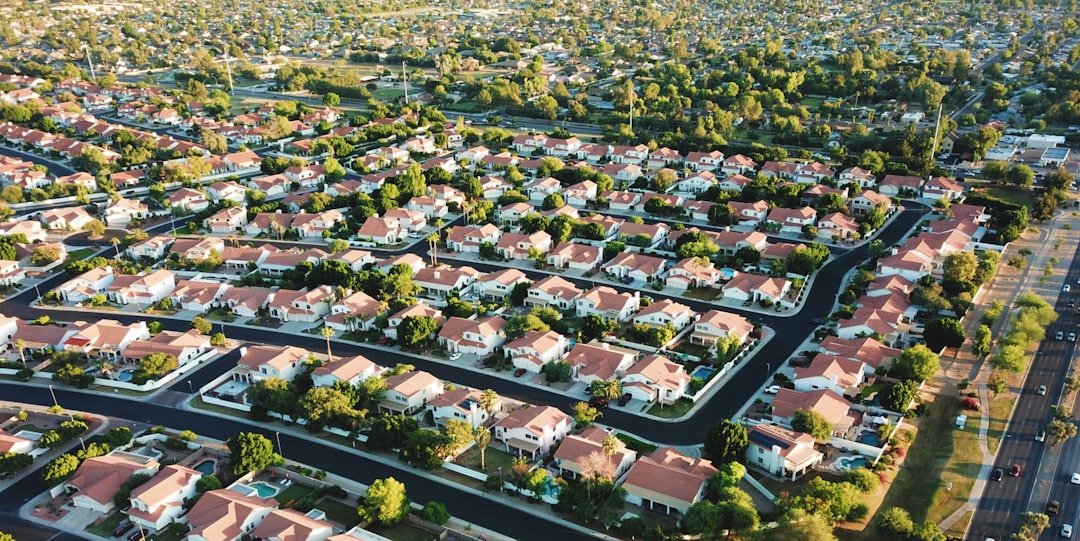
1. Advancing more housing supply and local housing innovation. The law creates or expands several housing-supply tools, including competitive grants for local planning and innovative approaches, pre-reviewed home designs, reduced administrative and development barriers, and help for local governments to speed up housing production. However, some new programs still need future annual appropriations before they can actually provide funding.
2. Improving some homebuying financing opportunities. The law authorizes HUD to create a small-dollar mortgage pilot program, studying how to improve access to financing for home loans with original principal amounts of $100,000 or less. In lower-priced markets or for entry-level homes, these small loans have long been harder to obtain because of higher fixed costs.
3. Supporting manufactured housing and other housing types. The law also updates some FHA Title I and manufactured-housing rules, aiming to add financing and use flexibility for lower-cost housing types and to expand housing options through new, modular, or prefabricated homes.
4. Strengthening housing counseling and mortgage delinquency assistance. The law reforms HUD housing counseling programs and requires that borrowers on certain federally insured mortgages who fall sufficiently behind have access to available housing counseling services.
5. More transparent public land and housing planning information. Some local governments receiving CDBG funds will need to build or maintain public databases of undeveloped public land, helping identify land that could suit future housing development. The goal is to put local housing-supply planning on a stronger data foundation.
The 350-Home Limit on Large Corporate Landlords: What Does It Actually Say?
This is one of the parts of the law most worth noting for homebuyers. The law defines certain for-profit entities that own or control at least 350 single-family homes as large institutional investors, and generally prohibits those large institutional investors from continuing to purchase certain single-family homes—while also listing several exceptions.
Important: the final enacted version does not require large corporate landlords to sell all homes they held before July 11, 2026.
The law expressly states that this provision should not be interpreted as forcing large institutional investors to sell existing homes. So corporate home sales in the market shouldn’t be described as the law forcing them to dump properties.
For typical buyers, a more reasonable read is this: going forward, some large institutional investors’ room to acquire existing single-family homes is limited, which could reduce competition from large institutional buyers in some markets—but the actual impact will still depend on implementing rules, exception provisions, and local supply and demand.
Arizona’s Middle Housing Reform: That’s a Separate State Law
Arizona’s recent housing-supply reform has another important law: HB 2721, now codified as A.R.S. § 9-462.13. This is an Arizona state law—two separate systems from the federal 21st Century ROAD to Housing Act.
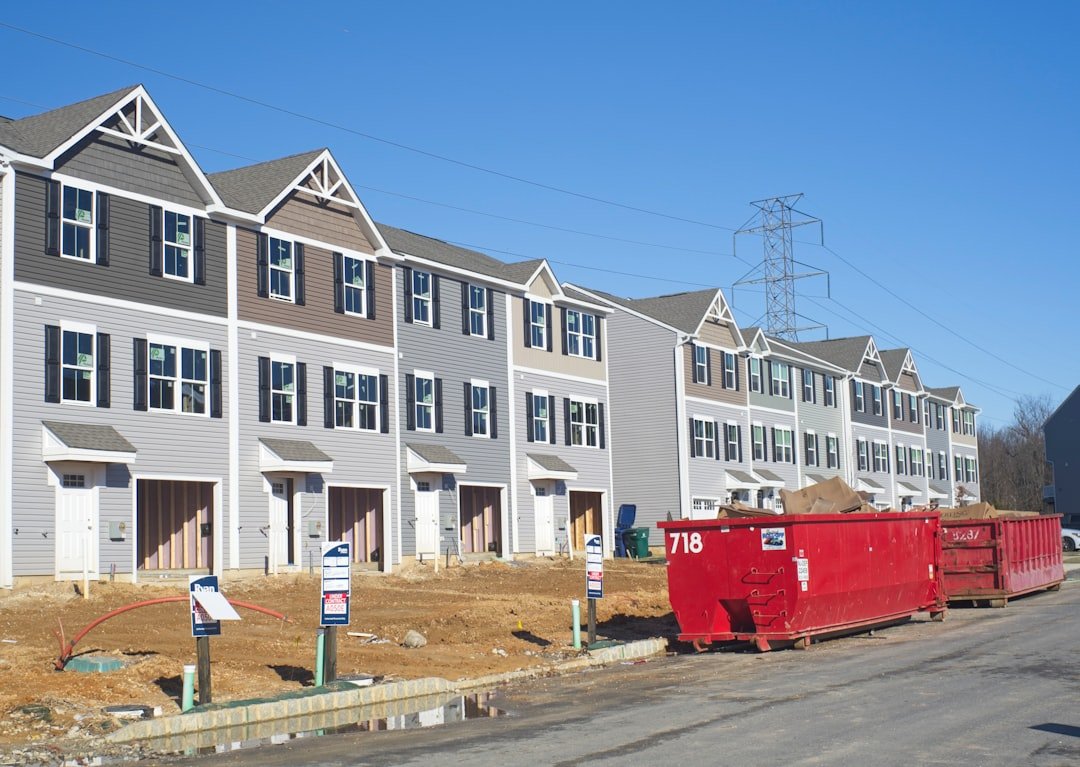
Under the state law, cities with populations of 75,000 or more must allow duplexes, triplexes, fourplexes, and townhomes and other middle housing as a permitted use on qualifying single-family residential land. It mainly covers:
- Single-family residential land within one mile of a city center business district, and
- At least a certain share of new residential developments of more than 10 contiguous acres.
Phoenix, Mesa, Chandler, Tempe, and other Greater Phoenix cities have already published or adopted related middle-housing code updates. That doesn’t mean all single-family land can now be built with four units—actual development potential still depends on local zoning, overlays, lot size, utilities, HOAs, and other restrictions.
What Could These Reforms Mean for Arizona Buyers and the Housing Market?
Buyers: competition from large institutions may be partially limited. In markets where large institutional investors hold many single-family rentals, the new federal acquisition limits are worth watching. The Phoenix Metro has indeed been one of the more active markets for institutional single-family rental investment in the past—but whether the new law will noticeably improve typical buyers’ chances of winning a home will take follow-up transaction data to judge.
Supply: housing types may become more diverse. Federal policy encouraging housing production and local reform, together with Arizona’s own middle-housing rules, could over time increase the supply of duplexes, triplexes, fourplexes, townhomes, manufactured housing, and other denser housing types.
Home prices: the new law won’t lower them overnight. Home prices remain driven by interest rates, jobs, population inflows, new-home supply, construction costs, land costs, and regional demand. The new law is more about adding tools on the supply and policy side than directly setting home prices or mortgage rates.
Suzy’s Real Estate Observations
For Greater Phoenix buyers or investors, I think what’s really worth watching isn’t a single headline—it’s whether these policies gradually change the housing-supply structure. Going forward, in Phoenix, Mesa, Chandler, Tempe, and other fast-growing areas, I’ll be watching middle housing, new construction, entry-level home supply, and whether large institutional investor activity changes in noticeable ways.
If you’re considering buying in Arizona—whether to live in or invest—evaluate policy changes together with the actual community’s prices, rents, commute, and new supply, rather than making investment decisions on a single bill alone.
Official Resources
- U.S. GovInfo: Public Law 119-101
- U.S. Code: large-institutional-investor provisions
- Arizona Revised Statutes § 9-462.13: Middle Housing
This article provides general real estate and policy information, not legal, tax, lending, or investment advice. Enforcement approaches and local zoning may continue to be updated. Before any transaction or development, confirm with the relevant government agencies and professionals.